

Cloud compliance requirements Australia SMEs must follow have become increasingly important as organisations move their infrastructure and data to cloud platforms. Small and medium businesses are adopting cloud technologies to improve scalability, enable remote work, and reduce reliance on physical infrastructure. While these advantages are significant, the shift to cloud computing also introduces regulatory and security responsibilities.
Businesses operating in Australia must ensure that cloud systems comply with relevant legal frameworks, security practices, and data protection obligations. This includes following data privacy laws Australia, implementing compliance standards, and maintaining proper cloud governance policies.
For SMEs, understanding these requirements early in the migration process helps reduce operational risks and ensures that customer information remains protected. Proper compliance planning also supports long term stability by ensuring that systems meet regulatory expectations and industry security practices.
This article explains the most important compliance considerations for SMEs adopting cloud services in Australia. It explores regulatory requirements, governance frameworks, disaster recovery planning, hybrid cloud compliance challenges, and security best practices that support safe and responsible cloud adoption.
Understanding cloud compliance requirements Australia SMEs must follow
Cloud compliance refers to the process of ensuring that cloud infrastructure, data storage, and applications meet legal, regulatory, and operational standards. For small and medium businesses, this involves understanding how cloud environments interact with Australian regulations and industry frameworks.
Compliance requirements can vary depending on the type of business, the data it manages, and the industry it operates within. However, most organisations must address several core areas:
- protection of customer and employee data
- secure storage and transmission of information
- documentation of security controls
- incident response and breach reporting
- governance and oversight of IT resources
Maintaining compliance is not limited to the initial cloud migration process. It requires continuous monitoring, auditing, and improvement to ensure systems remain aligned with regulatory expectations.
Why regulatory compliance matters when moving to cloud?
Regulatory compliance plays a critical role in protecting organisations from legal risks and operational disruptions. Businesses that fail to meet their regulatory obligations may face financial penalties, reputational damage, and potential loss of customer trust.
For SMEs, cloud platforms often host sensitive information such as financial records, customer databases, and internal business documents. Without proper security controls and compliance procedures, this information may be exposed to cyber threats or unauthorised access.
Compliance frameworks help businesses implement structured policies that protect information assets. They also provide a clear framework for managing access, monitoring system activity, and responding to security incidents.
Another important factor is accountability. Even when organisations use external cloud providers, the responsibility for protecting data and complying with regulations remains with the business itself. Understanding this responsibility is essential for maintaining compliance.
Data privacy laws Australia affecting cloud adoption
Australia has established strong legal frameworks to regulate the handling of personal information. Businesses storing data in cloud environments must ensure they comply with these requirements.
The Privacy Act 1988 is the primary legislation governing personal information management in Australia. This act outlines the Australian Privacy Principles, which define how organisations must collect, store, and manage personal data.
Key responsibilities include:
- collecting personal information only when necessary
- storing information securely to prevent unauthorised access
- allowing individuals to access their personal information when requested
- protecting data from misuse or disclosure
The Notifiable Data Breaches scheme also requires businesses to report significant data breaches to affected individuals and regulatory authorities.
For organisations adopting cloud services, compliance with these laws requires careful planning. Businesses must ensure their cloud provider offers appropriate security controls and supports regulatory compliance requirements.
Cloud Compliance Checklist for SMEs Migrating to the Cloud
Migrating to the cloud is more than just moving data it’s about ensuring your business remains compliant with Australian regulations and industry best practices. This checklist provides SMEs with a practical framework to stay secure, reduce risk, and maintain compliance throughout the migration process.
Assess Current IT Infrastructure and Data Classification
Before moving to the cloud, take stock of all your IT assets and classify your data based on sensitivity. Identify which systems store personal or financial information, intellectual property, or other critical business data. This assessment helps prioritise security and compliance efforts during migration.
Identify Regulatory Obligations and Industry Requirements
Understand the legal and industry standards your business must follow. This includes the Privacy Act 1988, Australian Privacy Principles (APPs), Notifiable Data Breaches scheme, and sector-specific standards like PCI DSS for payment processing or ISO 27001 for information security.
Choose a Cloud Provider with Recognised Security Certifications
Select a provider that complies with Australian regulations and holds relevant certifications such as ISO 27001, SOC 2, or Essential Eight compliance. Verify their ability to provide data residency, encryption, and audit reports to support your compliance needs.
Implement Strong Identity and Access Management Controls
Define who can access which systems and data. Use role-based access control (RBAC), multi-factor authentication (MFA), and regularly review permissions. Proper identity management reduces the risk of unauthorised access and supports regulatory compliance.
Enable Encryption for Data at Rest and in Transit
Encrypt sensitive data both when stored and during transmission. Encryption ensures that even if data is intercepted or accessed without authorisation, it remains unreadable, helping meet legal and industry security obligations.
Establish Continuous Monitoring and Threat Detection Systems
Deploy tools to monitor cloud activity in real-time. Track unusual access patterns, suspicious activity, and security incidents. Monitoring systems are essential for both compliance reporting and early threat detection.
Create Incident Response and Breach Notification Procedures
Develop a clear incident response plan that outlines the steps to take if a breach occurs. Include timelines for reporting to regulatory authorities and affected individuals under the Notifiable Data Breaches (NDB) scheme. This ensures your business responds quickly and complies with Australian legal requirements.
Develop a Disaster Recovery and Backup Strategy
Ensure your cloud environment includes regular backups and a disaster recovery plan. Define Recovery Time Objectives (RTO) and Recovery Point Objectives (RPO) to minimise operational disruption in case of outages, cyberattacks, or data loss.
Conduct Regular Compliance Audits and Security Reviews
Schedule ongoing audits to verify compliance with legal and industry standards. Review security controls, access logs, and cloud configurations to identify gaps or weaknesses. Regular reviews demonstrate due diligence to regulators and clients.
Train Employees on Cloud Security and Compliance Policies
Your team plays a critical role in maintaining compliance. Provide training on cloud security practices, data handling policies, and breach reporting procedures. Employee awareness reduces human error and strengthens your compliance posture.
Compliance standards SMEs should understand
In addition to legal regulations, many organisations adopt industry security frameworks that support structured information security management.
These standards provide guidelines for managing risk, protecting systems, and maintaining operational resilience.
| Compliance Standard | Purpose | Importance for SMEs |
| ISO 27001 | Information security management framework | Helps implement structured security policies |
| SOC 2 | Security and data handling controls | Useful for organisations handling client data |
| PCI DSS | Payment card security | Required for businesses processing card payments |
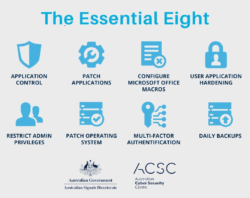
| Essential Eight | Cyber security strategy developed in Australia | Helps strengthen security posture |
| NIST Cybersecurity Framework | Risk management framework | Supports structured cyber security planning |
Adopting recognised compliance standards allows SMEs to strengthen their security posture while demonstrating responsible data management practices.
Shared responsibility model in cloud computing
Cloud computing environments operate under a shared responsibility model. This framework defines how security responsibilities are divided between the cloud provider and the customer.
Cloud providers are typically responsible for securing the underlying infrastructure. This includes data centres, hardware systems, and networking components.
Customers, however, remain responsible for managing the security of their applications and data. This includes:
- controlling user access
- protecting stored information
- maintaining secure configurations
- implementing monitoring systems
Understanding the shared responsibility model helps businesses avoid security gaps and maintain regulatory compliance.
Conclusion
Cloud adoption provides flexibility and efficiency for modern businesses, but it also introduces regulatory and security responsibilities. SMEs must understand how compliance requirements affect their infrastructure and operational processes.
Implementing strong governance frameworks, following recognised compliance standards, and maintaining secure backup and disaster recovery systems are essential steps for responsible cloud adoption.
Businesses planning cloud migration can benefit from experienced technical guidance and structured compliance strategies. Organisations seeking assistance with cloud infrastructure, governance, and security can contact GenTec IT .
Frequently Asked Questions
Q2: How do data privacy laws affect cloud storage?
Australian privacy regulations require organisations to protect personal data from unauthorised access and to report certain data breaches when they occur.
Q3: What is the shared responsibility model in cloud computing?
It defines which security responsibilities belong to the cloud provider and which remain with the business using the cloud services.
Q4: Why is disaster recovery planning important for cloud environments?
Disaster recovery planning ensures systems and data can be restored quickly after outages, cyber attacks, or infrastructure failures.
Q5: How can SMEs maintain compliance after migrating to the cloud?
Businesses should implement monitoring tools, security audits, governance policies, and regular compliance reviews.
Latest Blog

What Is the Essential Eight & Why Australian Businesses Can’t Ignore It in 2026

How Managed IT Services Melbourne Boost SMB Productivity

How Microsoft Teams Voice Integration Improves SMB Communication in Melbourne

Secure IT Asset Relocation: Best Practices for Businesses